

How to develop an enterprise architecture repository
Mapping your enterprise architecture is no small task, but the payoff is exponential. I’ve spent 18 years working with Fortune 100 companies, and I’ve seen firsthand how enterprises struggle to bring clarity into their systems.
Luckily, building your enterprise architecture doesn’t have to be a massive undertaking.
In a recent article, I shared a six-step process for developing a streamlined and collaborative enterprise architecture repository.
Step 1: Define the purpose and scope. Purpose drives participation!
Step 2: Collect, source, and build assets.
Step 3: Build your repository in a collaborative, visual environment.
Step 4: Connect the layers. Transform static documents into actionable insight.
Step 5: Enable continuous contribution. Make it a culture, not a side task.
Step 6: Realize the value. Hello, efficiency and alignment!
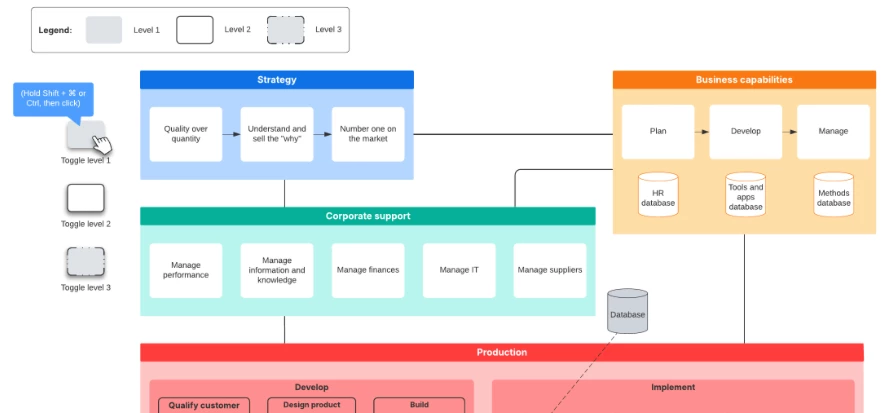
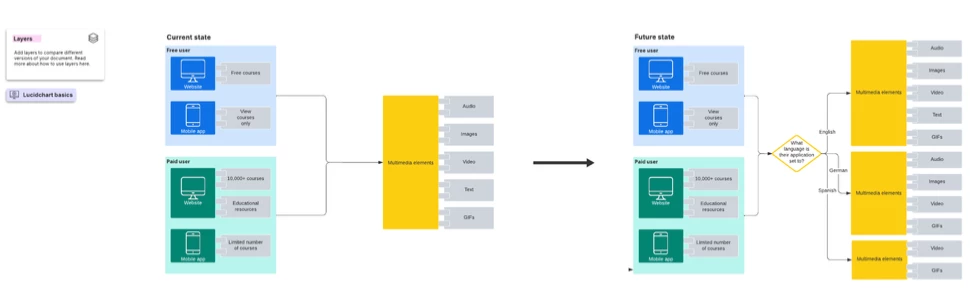
It’s important to think about your enterprise architecture repository in terms of layers: business architecture, application architecture, data architecture, and technical and infrastructure architecture. Each layer explains a different component of how your organization operates.
Lucid has several templates to help clarify this work:
Business architecture example:
Application architecture example:
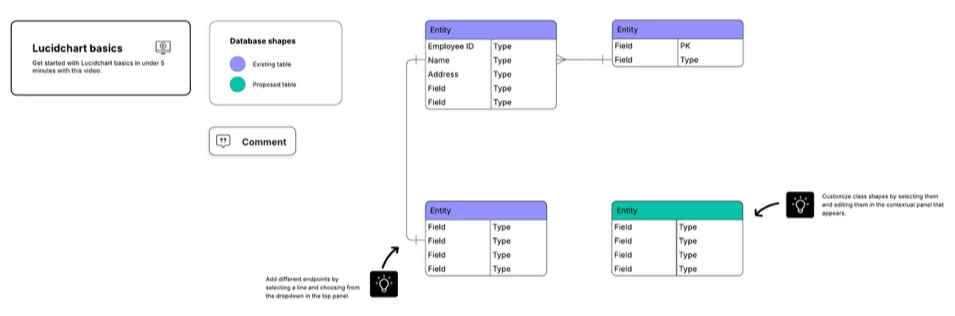
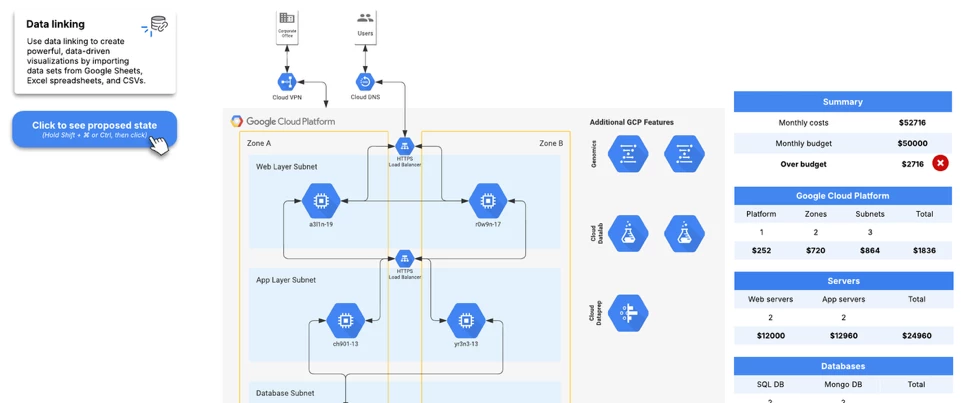
What’s keeping your enterprise architecture from being transparent and seamless? Share with me in the thread. Let’s see how we can help.
 Your privacy choices


